Some words manage to describe an entire universe, more than a concept in itself: slow living is one of them.
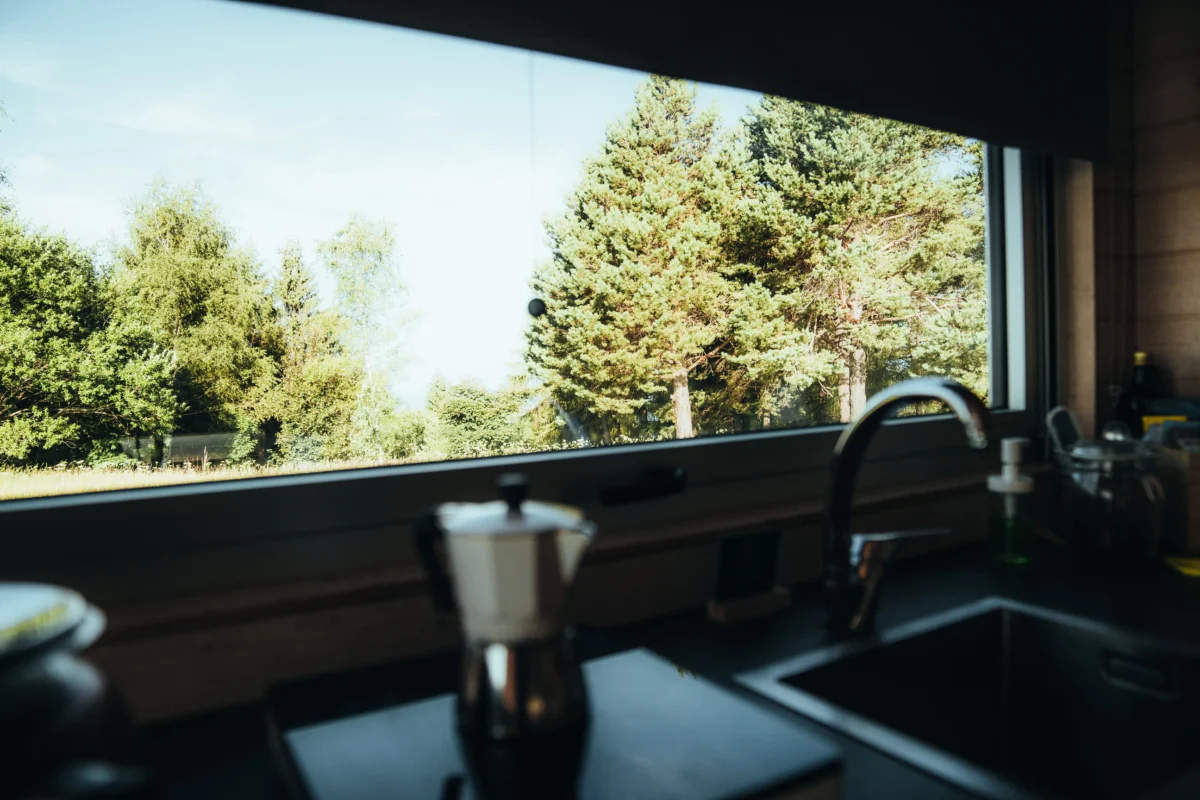
This term evokes the calm of a quiet morning, the moment you sip a coffee, the light entering through a window and gradually filling the room, lingering for a few seconds before changing the color of objects.
It means giving space to things as they happen, inhabiting time in a way where every small gesture matters and life follows its own natural rhythm.
What slow living is (and what it is not)
Slow living is a cultural movement that emerged in the early 1980s as an evolution of the slow food concept, which encouraged people to rediscover the pleasure of eating slowly and mindfully.
Over time, it has developed into a true philosophy of life, promoting a more balanced, conscious, and sustainable way of living. In practical terms, living according to slow living means living with intention, giving meaning to every action. It is a way of being in the world that values the quality of experiences over the quantity of things done, so that every action, when lived with awareness, becomes a moment of balance.
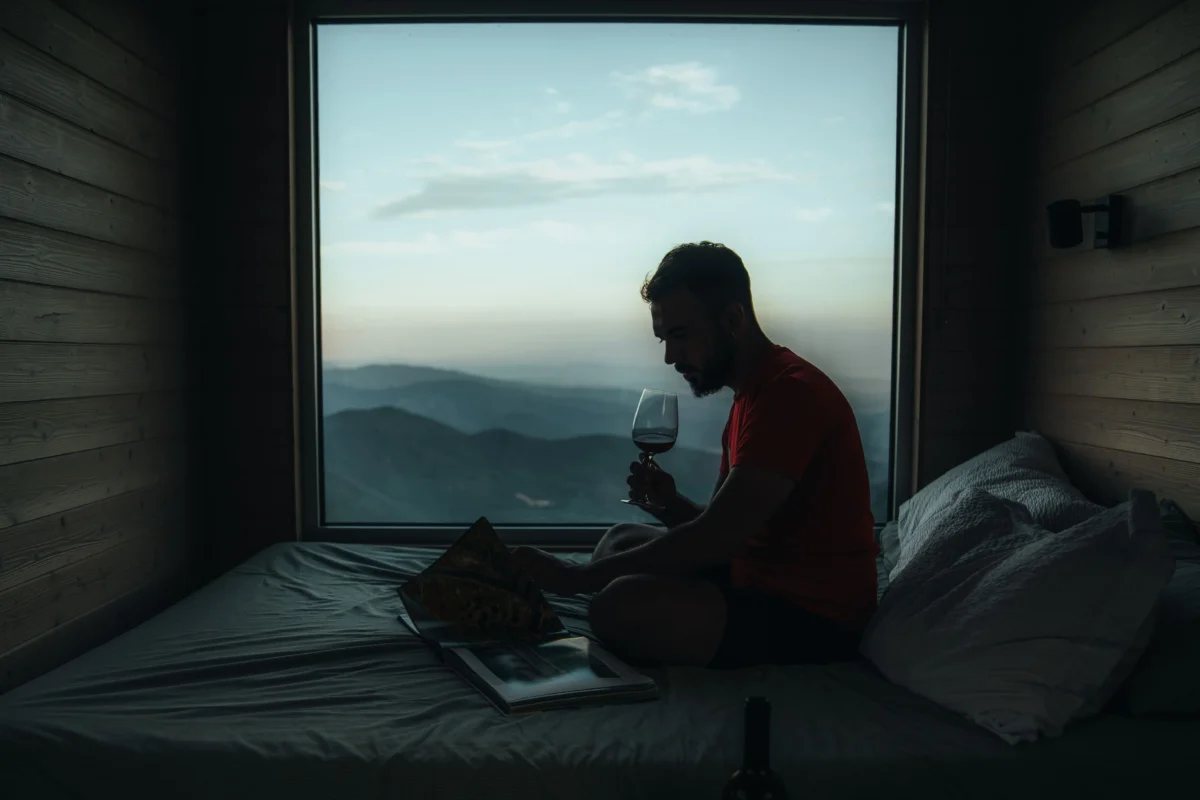
To embrace this lifestyle, you can:
- Slow down your routine by reducing unnecessary commitments and learning to say “that’s enough” when it is enough;
- Simplify your spaces by choosing useful, natural, and long-lasting objects;
- Eat slowly, favoring fresh, seasonal food, and enjoying the act of preparation;
- Spend more time outdoors, even just a few minutes a day, to breathe fresh air and shift perspective;
- Create moments of quiet, even brief ones, allowing the mind to relax.
Slow living, therefore, is not a return to the past, nor a rejection of modernity: it is an invitation to use technology and time consciously, to create days that are richer in meaning, less fragmented, and more genuine.
The principles of slow living
At the heart of slow living lie simple yet profound values, reflected in everyday gestures and in the way we observe what surrounds us.
Here are five principles to approach slow living:
- Essentiality: choosing what truly matters and letting go of the rest. In essentiality, we find space, order, and a sense of lightness that does not need excess;
- True time: taking the time to observe, to act slowly, and to complete actions without the rush to start the next one;
- Human connection: nurturing sincere relationships, built on presence, listening, and respect for one another’s rhythms;
- Connection with nature: remembering that we belong to the natural world and that within it we find a familiar language, capable of bringing us back into balance;
- Freedom from imposed rhythms: living slowly means choosing your own pace, giving time a personal direction, not dictated by external expectations.
Following these principles is a way to begin living slowly, but there is no universal path: some find slow living in everyday gestures, others in quiet moments immersed in nature.
The benefits of slow living
Living slowly means choosing a more intentional, essential rhythm rooted in the present: academic research confirms that this choice brings tangible benefits.
Studies such as Wellness Pursuit and Slow Life Seeking Behaviors (Kim et al., 2019) show that adopting slow-life-oriented behaviors is associated with:
- greater attention to physical and mental well-being,
- lower levels of perceived stress,
- a better overall quality of life.
Other research, such as Slowing Down to Live with Purpose (Thomaz & Prado, 2025), highlights that consciously slowing down encourages healthier daily habits, more balanced emotional regulation, and a deeper sense of connection with what surrounds us.
Together, this evidence suggests that living slowly supports a more balanced, meaningful, and fulfilling way of life.
Slow living and nature: the most ancient rhythm
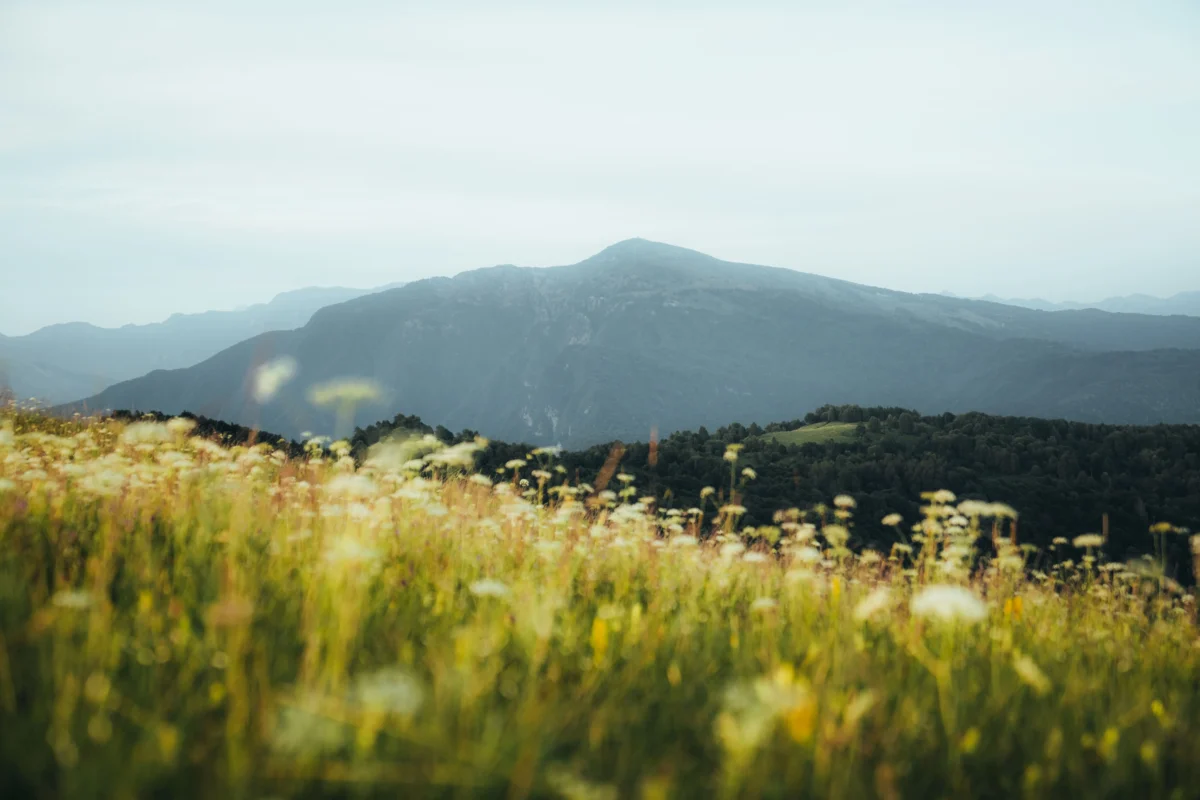
The slow rhythm is not a recent invention; it is a concept that belongs to nature itself.
Everything in nature follows measured, coherent cycles—repetitive yet never the same: trees do not rush their growth, rivers do not all flow in the same way, and light changes every day with almost imperceptible nuances.
Drawing closer to nature means learning this language again.
Slow living finds its most authentic expression in nature, because it is there that time becomes measurable according to real parameters—a philosophy that also lies at the heart of slow tourism, a way of traveling that values time, human connection, and the slow discovery of places, in harmony with their natural rhythms.
5 practices to start living slowly
You don’t need to change your life to adopt a slower rhythm.
You can begin with simple gestures, such as:
- avoiding starting the day with rush and notifications. Drink something warm, open a window, breathe in fresh air. Even ten minutes of morning journaling can set a different tone for the entire day;
- eating slowly to appreciate flavors and aromas. It is an exercise in gratitude and body awareness;
- going for a walk without a specific goal, simply to move and observe what surrounds you. Even walking barefoot on grass or sand, letting your skin touch the ground, is a simple way to awaken the senses and slow down;
- turning off devices for one hour a day to allow the brain to breathe. Without notifications, hours regain their shape and time becomes perceptible again;
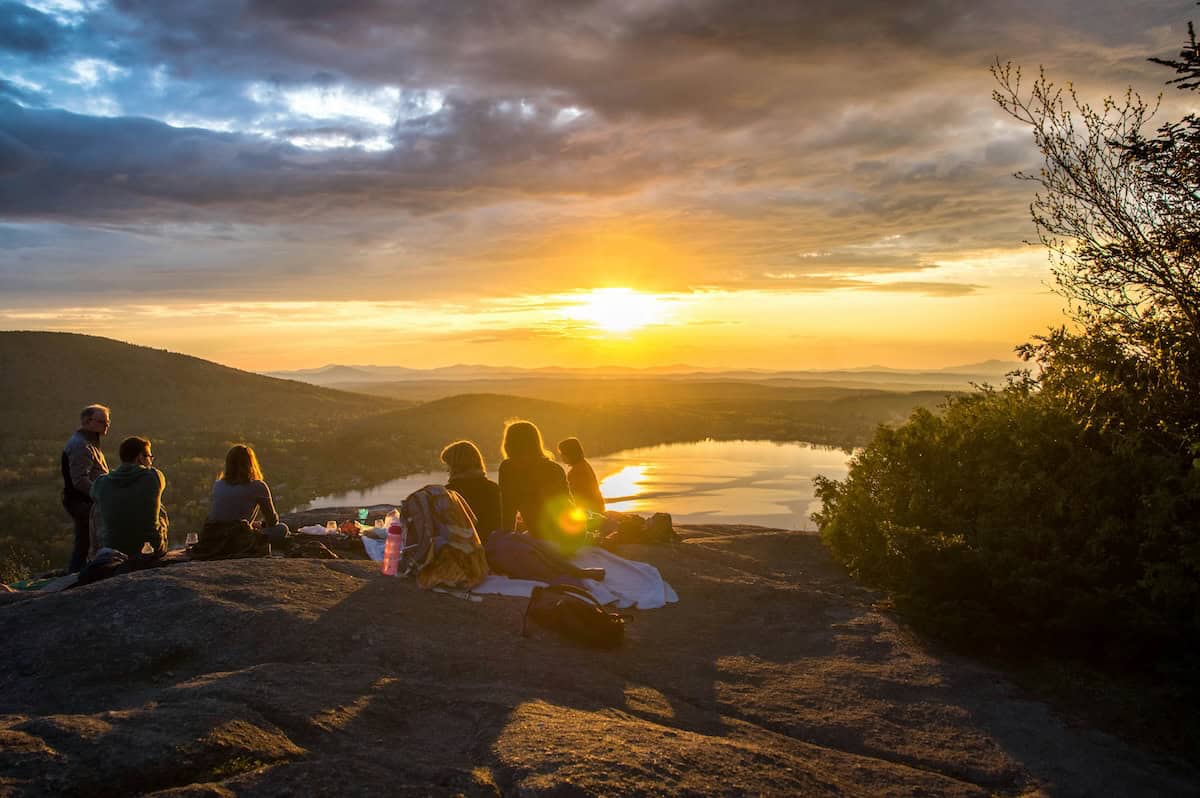
- spending time in nature or outdoors, even for just a few minutes. Sitting on the grass, looking at the sky, listening to the wind. Nature helps regulate our inner balance, even when we are not aware of it.
A slow rhythm is a habit that can grow over time, if we allow it—like a plant that finds its shape by following the warmth of the light.
Friland: living slowly in nature
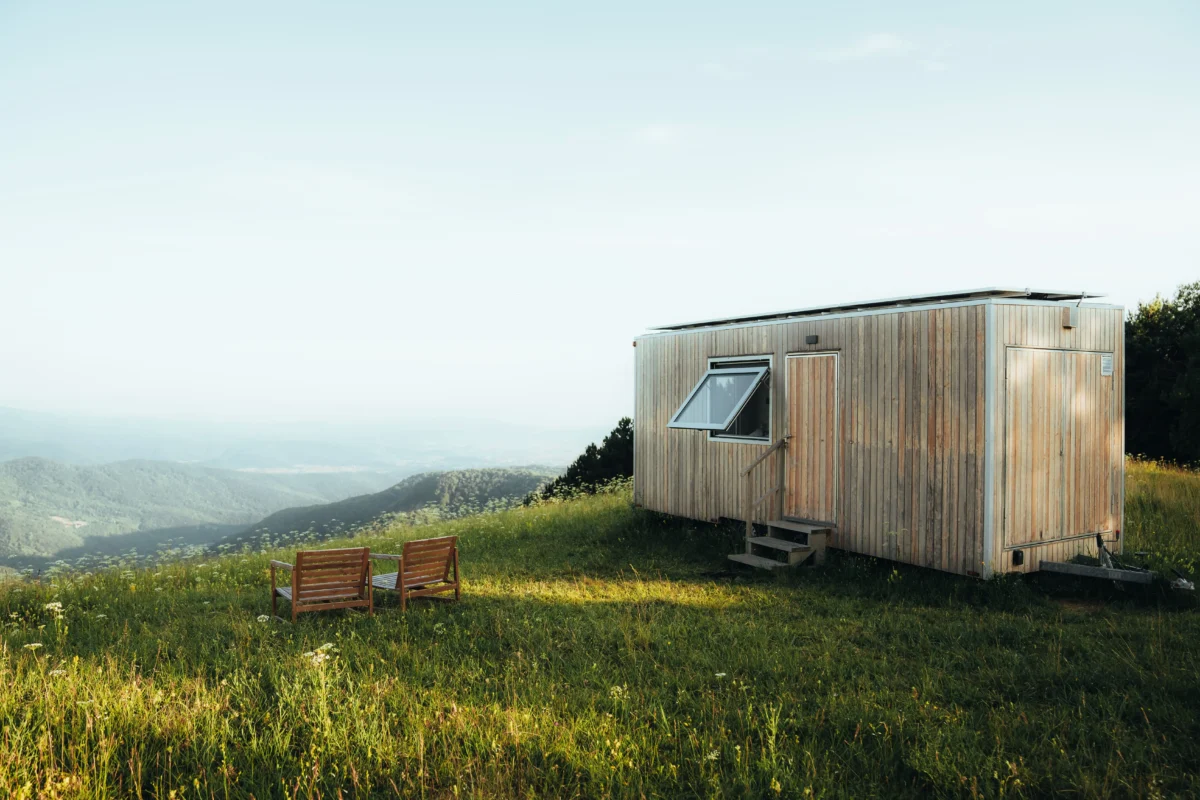
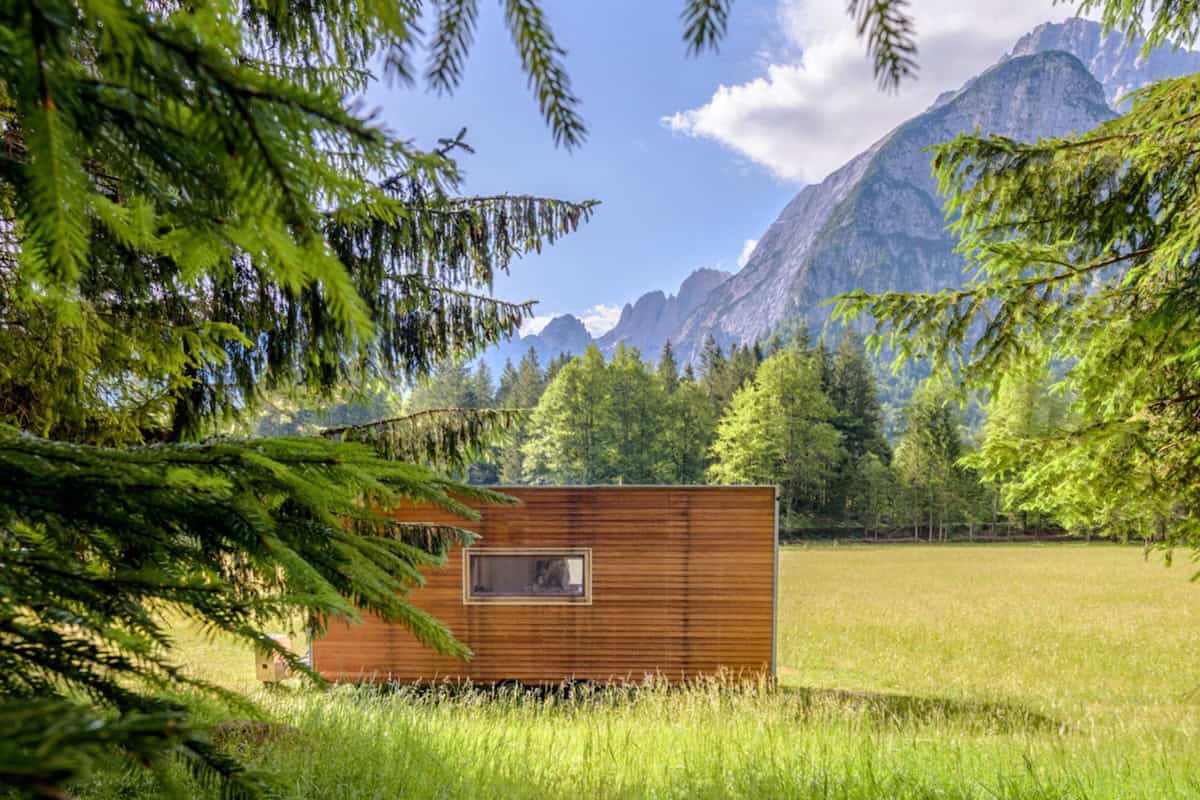
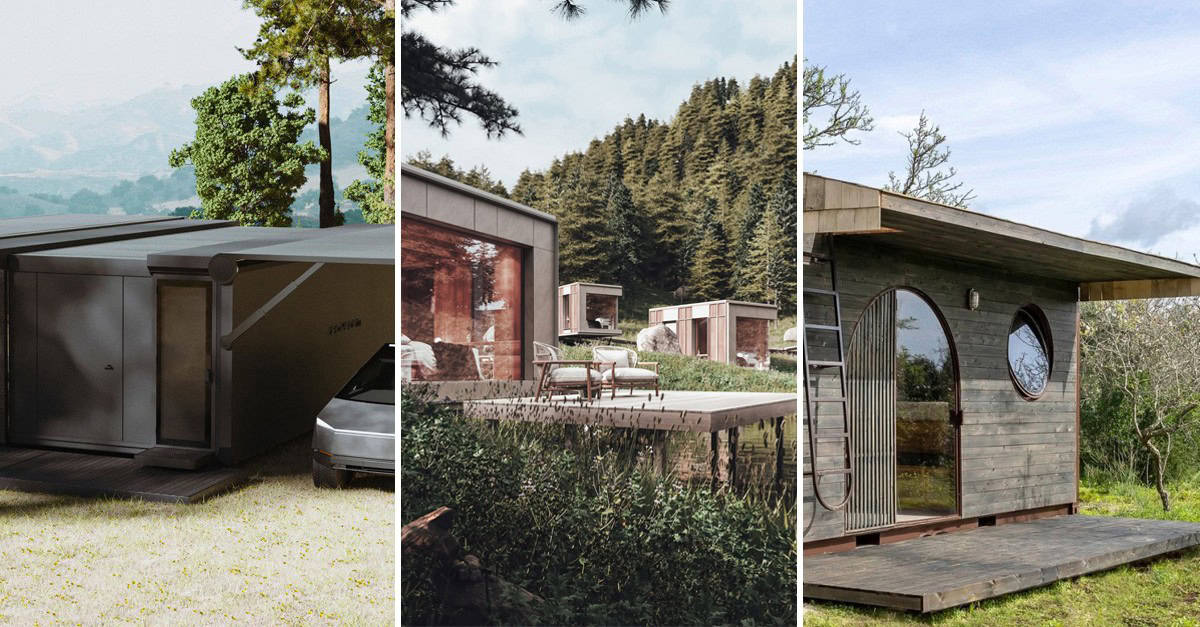
Friland cabins follow a simple idea: they are green spaces where slowness feels natural, never imposed. They are tiny houses immersed in quiet environments, where nature becomes part of everyday life.
Each cabin is built with natural materials and set in locations chosen for their sense of calm, offering a space where life finds its balance again and time regains its value.
These are places that support without forcing, inviting you to live with greater presence and allowing what is often lost in daily rush to resurface.